
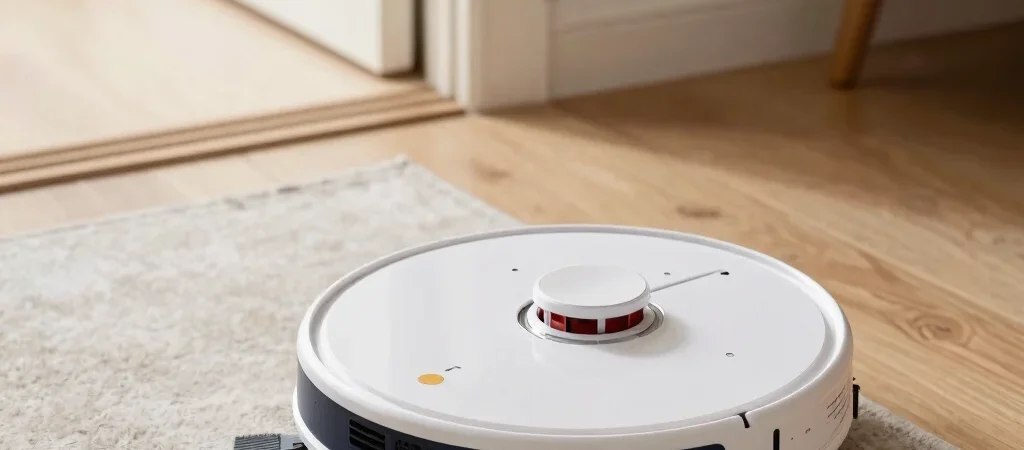
A robot vacuum can look capable on a product page and still struggle with a thick rug, a narrow chair gap, or the step between rooms. Before comparing models, sketch the route you expect it to clean and note the obstacles it will meet. Your floor plan is a more useful starting point than a feature count.
Map the Obstacles First
Measure or check the door thresholds, identify loose charging cables, and note where rugs have raised edges or fringe. Mapping and obstacle-avoidance features may help in some layouts, but their usefulness depends on the rooms, furniture, and clutter the device has to navigate. Look for clear details about supported mapping controls and whether you can set areas the vacuum should avoid.
Match Features to Floors
Homes with a mix of hard flooring and rugs may benefit from easy-to-understand room settings and a brush design suited to the surfaces in question. If there are pets or long hair in the household, check how the brush is cleaned and whether replacement parts are easy to find. A feature only helps if you are comfortable maintaining it.
Include Maintenance in the Cost
Compare dustbin capacity, filter and brush replacement needs, and whether a self-emptying dock adds size or recurring supply costs. A compact model may be easier to place in a small home, while a dock can reduce one routine task but takes up more floor space. Smart Finds may earn a commission when readers use affiliate links; our comparisons should make those practical pros and cons clear without implying every home needs the same features.